Landslide Monitoring Services
// Core Elements
Key Components of Our Landslide Monitoring Services
IoT-Enabled Monitoring Systems
We implement a network of IoT sensors across landslide-prone areas to monitor various environmental factors and detect early signs of landslides.
Ground Movement Sensors
These sensors measure ground deformation, surface displacement, and slope movement in real-time. By detecting minute changes in ground movement, we can forecast potential landslides.
Rainfall Monitoring
Rainfall is one of the key triggers of landslides. IoT rain gauges and weather stations monitor rainfall intensity and patterns, and we use this data to assess the risk of landslides based on hydrological conditions.
Soil Moisture Sensors
Soil saturation is a critical factor in landslide risk. Our soil moisture sensors continuously monitor the moisture content in the soil to detect when it reaches dangerous levels that could trigger slope failure.
Geotechnical Sensors
Inclinometers and piezometers are used to measure subsurface water pressure and slope stability, providing a more in-depth understanding of ground conditions and landslide risk.
AI-Driven Landslide Prediction Models
Machine Learning Algorithms
We use machine learning techniques to analyze large datasets, including rainfall history, geological features, slope inclination, and land use patterns, to predict future landslides and determine risk zones.
Dynamic Risk Mapping
AI models continuously update risk maps, indicating areas most susceptible to landslides. These maps can help local authorities plan evacuation routes, infrastructure development, and disaster response strategies.
Trigger Threshold Calculation
AI algorithms calculate the thresholds for various factors like rainfall intensity and soil saturation, indicating when conditions become critical and a landslide is imminent.
Automated Alerts
When monitored parameters exceed predefined thresholds, the system automatically sends alerts via SMS, email, or app notifications to stakeholders, providing sufficient time to take preventive actions.
Integration with Local Authorities
Our EWS integrates seamlessly with local disaster management authorities, enabling coordinated and swift action to mitigate the impact of potential landslides.
Real-Time Dashboard
A user-friendly dashboard provides a comprehensive overview of the monitored area’s conditions, including sensor data, real-time maps, and risk levels.
Satellite Imagery and Drones
We use high-resolution satellite images and drone-based LiDAR surveys to create detailed topographical maps and assess land use changes in landslide-prone areas.
Digital Elevation Models (DEMs)
DEMs allow us to model terrain and slope characteristics, which are critical for assessing landslide risks. By overlaying geological and hydrological data, we create more accurate landslide hazard maps.
GIS-Based Risk Mapping
GIS allows for the integration of multiple data layers—such as geology, land use, rainfall patterns, and past landslide occurrences—to generate comprehensive landslide risk maps.
Training Programs
Public Awareness Campaigns
Raising awareness about landslide risks through educational materials, workshops, and local meetings ensures that residents in high-risk areas are prepared to respond in case of emergency.
Cloud-Based Data Management
Customizable Decision Support System (DSS)
Our DSS provides actionable insights by analyzing real-time sensor data and predictive models. It allows local governments and disaster response teams to plan mitigation efforts, issue warnings, and allocate resources efficiently.
Historical Data Analysis
The system stores historical data on landslides and environmental conditions, providing a valuable resource for researchers, planners, and policymakers.
Damage Assessment
Restoration Planning
We help in the formulation of restoration plans, including slope stabilization, vegetation rehabilitation, and drainage improvement, to reduce the chances of future landslides.
Policy Recommendations
Based on post-event analysis, we provide policy recommendations for land use planning, disaster response strategies, and infrastructure development to prevent future landslides.
Monitoring for Stability
Providing real-time landslide monitoring solutions to predict risks and enhance safety. Our technology safeguards communities and critical infrastructure.
// Why Choose Us
Why Choose Our Landslide Monitoring Services?

Cutting-Edge Technology




// Our Applications
Applications of Our Landslide Monitoring Services

Mountainous and Hilly Regions
Ideal for areas with steep slopes prone to landslides, such as the Western Ghats, Himalayas, and other vulnerable regions.

Urban Infrastructure Protection
Helping city planners and infrastructure developers in hilly regions manage landslide risks, ensuring safer roads, bridges, and buildings.
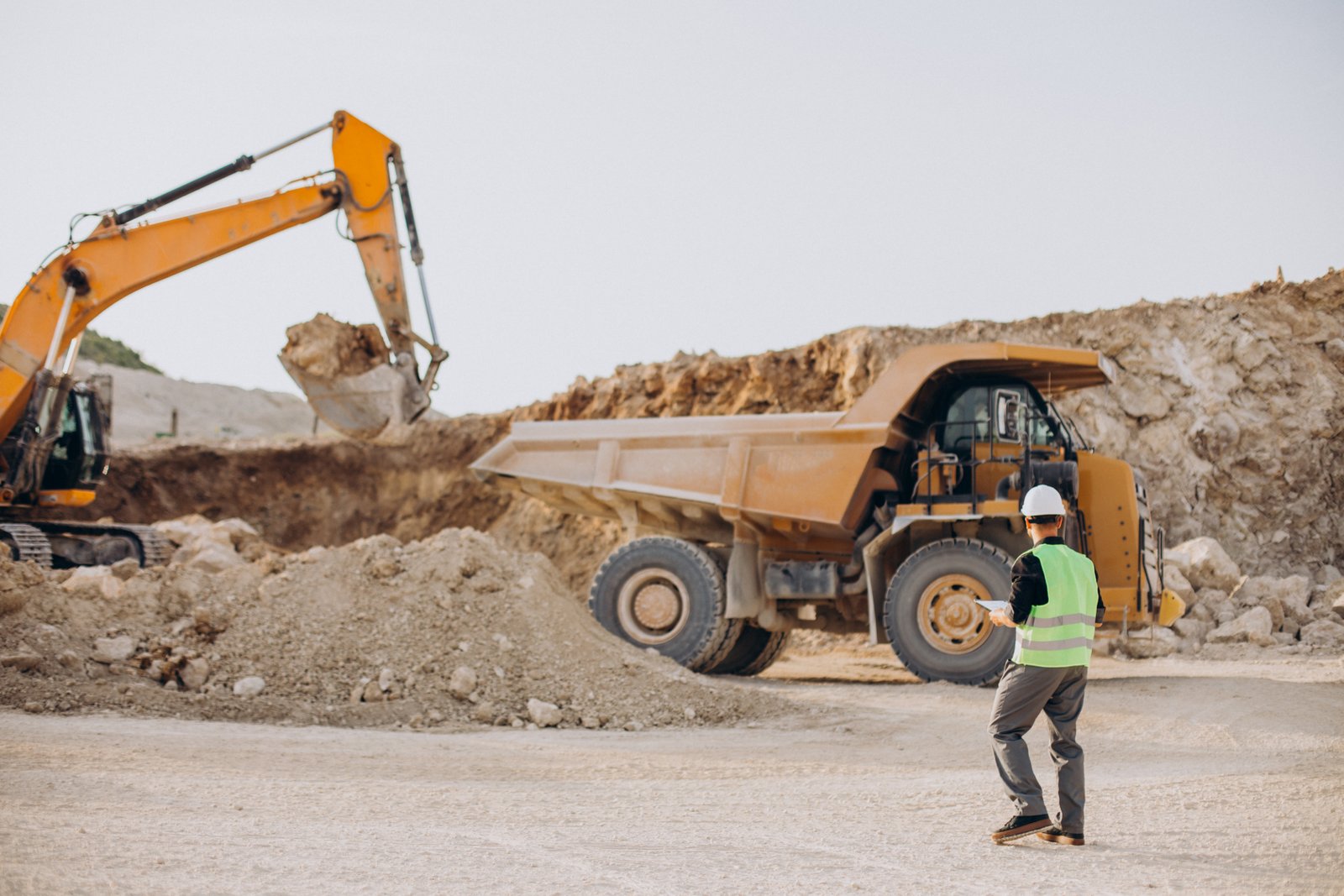
Mining and Construction Sites
We offer solutions to monitor slope stability in mining and large construction projects, reducing the risk of operational disruptions or accidents.