
Flood Forecasting & Early Warning System Solution
At Velodynamics, we offer state-of-the-art Flood Forecasting and Early Warning System (FFEWS) services aimed at helping governments, communities, and businesses prepare for and mitigate the devastating impacts of floods. Our solutions are powered by Artificial Intelligence (AI), Internet of Things (IoT), and advanced hydrological modeling, ensuring real-time, accurate flood predictions and timely alerts that can save lives, protect infrastructure, and minimize economic losses.
// Core Elements
Core Components of Our Flood Forecasting and Early Warning System heading
Real-Time Data Collection and Monitoring
Flood forecasting relies on the continuous and accurate collection of hydrological and meteorological data. Our system integrates IoT-based sensors and weather stations to gather essential data in real time.
IoT-Based River Monitoring
We deploy smart sensors along river systems and catchment areas to monitor water levels, flow rates, and rainfall. These sensors provide real-time data directly to the central system, enabling continuous flood risk assessment.
Weather and Rainfall Monitoring Stations
Equipped with high-precision weather stations, we track rainfall intensity, duration, and spatial distribution. These stations provide localized weather data crucial for flood prediction models.
Satellite and Radar Data Integration
In addition to ground sensors, we incorporate satellite imagery and radar data for wide-scale monitoring of precipitation, soil moisture, and surface water levels.
Hydrological and Hydraulic Modeling
IoT-Based River Monitoring
We deploy smart sensors along river systems and catchment areas to monitor water levels, flow rates, and rainfall. These sensors provide real-time data directly to the central system, enabling continuous flood risk assessment.
Weather and Rainfall Monitoring Stations
Equipped with high-precision weather stations, we track rainfall intensity, duration, and spatial distribution. These stations provide localized weather data crucial for flood prediction models.
Satellite and Radar Data Integration
In addition to ground sensors, we incorporate satellite imagery and radar data for wide-scale monitoring of precipitation, soil moisture, and surface water levels.
Data-Driven Forecasting
AI analyzes large datasets of historical rainfall, river discharge, and flood events to make accurate predictions. Our models continuously learn and adjust based on new data to improve forecast reliability.
Pattern Recognition
Machine learning algorithms detect emerging flood patterns based on current meteorological and hydrological conditions, enabling early warnings.
Predictive Analytics
Our system generates future flood scenarios based on forecasted weather and river conditions, providing predictions on flood severity, arrival time, depth, and duration of inundation.
Multi-Channel Alert Systems
We use SMS, email, app notifications, radio, and sirens to disseminate flood alerts to local authorities, emergency response teams, and residents.
Customizable Alert Thresholds
The EWS can be tailored to different flood stages, issuing alerts at various levels of severity (e.g., advisory, watch, warning) based on real-time river levels and weather forecasts.
Geospatial Alert Targeting
Our system ensures that alerts are sent only to areas at risk, reducing unnecessary panic and focusing emergency resources where they are most needed.
Floodplain Delineation
Using hydraulic models, we simulate flood events to map inundation areas. These maps can be used for emergency planning and evacuation route designation.
Dynamic Flood Maps
Our system generates dynamic flood maps that evolve in real time as new data is collected and predictions are updated. This helps stakeholders visualize how a flood may progress over time.
3D Flood Visualization
We provide 3D models of floodplains, which help decision-makers understand the potential impact of floods on critical infrastructure like roads, bridges, and buildings.
Real-Time Scenario Analysis
The DSS allows users to simulate various flood scenarios, helping planners assess the impact of different interventions, such as dam releases, riverbank reinforcements, or evacuation routes.
Resource Allocation Guidance
Based on forecasted flood severity and inundation areas, the DSS recommends optimal resource allocation, such as deploying emergency response teams, distributing sandbags, and preparing shelters.
Post-Flood Recovery Planning
The DSS provides insights into damage assessments, clean-up efforts, and resource restoration following a flood event.
Real-Time Dashboards
Our interactive dashboards display current river levels, flood forecasts, weather updates, and alert statuses in real time. Stakeholders can customize their dashboards based on the information they need.
Data Analytics and Reporting
The platform offers powerful analytics tools for generating flood reports, evaluating past flood events, and improving future response strategies.
Collaboration Tools
Authorized users can access the platform from anywhere and collaborate in real time with other stakeholders, ensuring coordinated flood response efforts.
Community Workshops
We organize educational workshops for local communities on flood risks, evacuation procedures, and emergency response protocols.
Public Awareness Campaigns
We help governments and NGOs run campaigns to raise awareness about flood risks, how to receive alerts, and steps to take during a flood.
Citizen Monitoring Programs
We involve citizens in flood monitoring efforts through smartphone apps that allow them to report localized flooding, blocked drains, or rising river levels.
Stay Ahead Of The Flood
Empowering communities with real-time flood forecasting and early warning systems. Our technology ensures timely action to protect lives and assets
// Why Choose Us
Why Choose Our Flood Forecasting and Early Warning System?

Cutting-Edge Technology

Customizable Solutions



Proven Impact
// Our Applications
Applications of Our Flood Forecasting System
Urban Flood Management
Assisting cities in planning for and mitigating the impacts of urban flooding due to heavy rains and inadequate drainage systems.

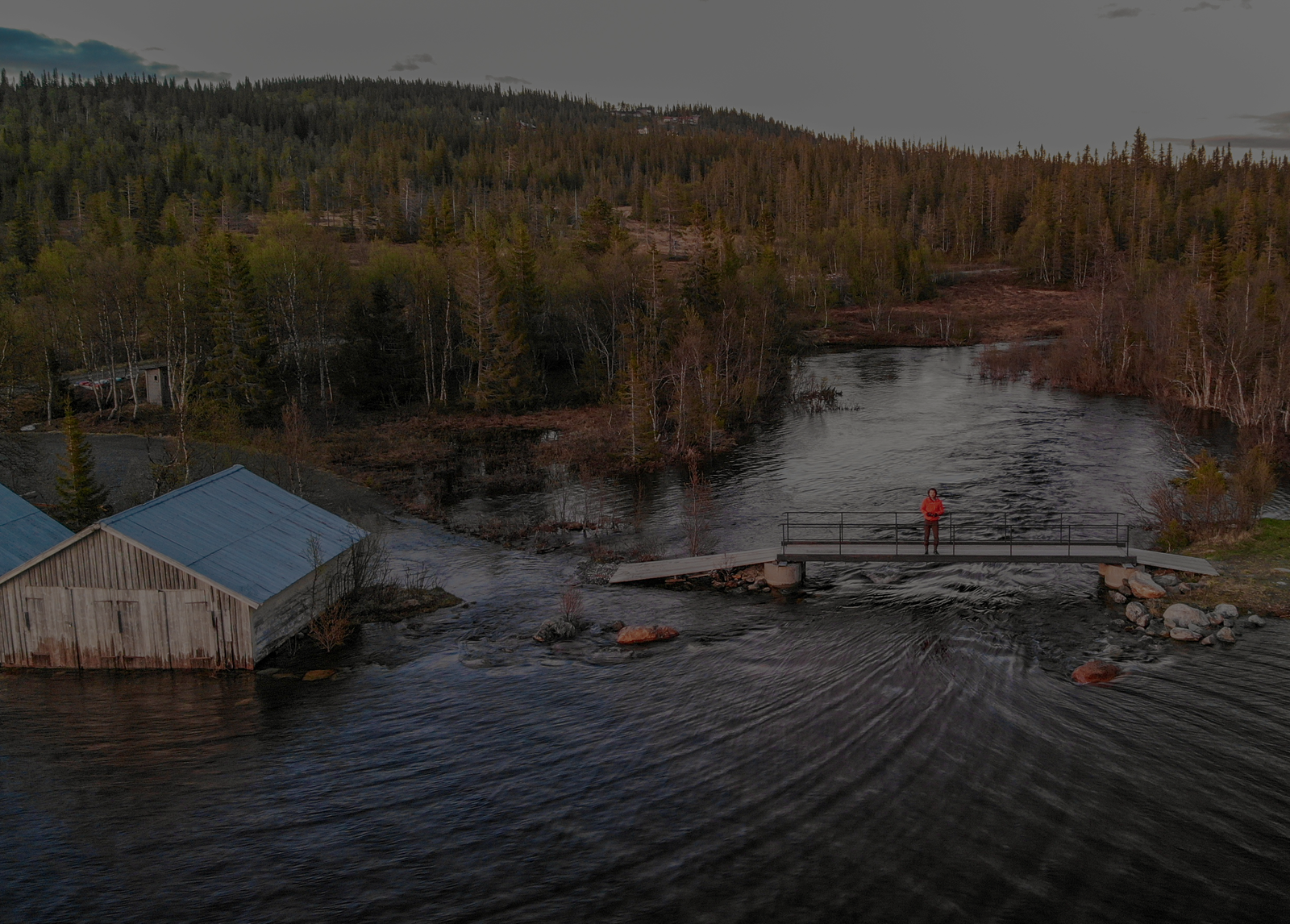
Riverine Flooding
Providing accurate forecasts and early warnings for rivers prone to seasonal flooding, protecting rural communities, farmland, and infrastructure.

Coastal Flooding
Integrating tidal and storm surge data for coastal areas vulnerable to floods from rising sea levels and extreme weather.
