
River Basin Management Services
// Core Elements
Key Components of Our River Basin Management Services
Key Components of Our River Basin Management Services
Our approach to river basin management is based on the Integrated River Basin Management (IRBM) framework, which considers the entire river ecosystem and the human activities that affect it.
Holistic Water Resource Management
We develop comprehensive plans for water resource allocation, taking into account the needs of agriculture, industry, municipalities, and the environment.
Stakeholder Engagement
We involve all key stakeholders, including local communities, industries, government agencies, and environmental organizations, ensuring that water management decisions are inclusive and balanced.
Cross-Sector Coordination
Our strategies facilitate coordination across different sectors, such as water supply, agriculture, hydropower, and pollution control, to create integrated solutions for sustainable river basin management.
To ensure real-time monitoring and data-driven management of river basins, we deploy IoT-enabled water monitoring systems.
Water Quality Monitoring
Smart sensors monitor key water quality parameters such as pH, dissolved oxygen, turbidity, nutrient levels, and pollutants across the basin. Real-time data is analyzed to detect contamination sources and trends.
Water Flow and Level Monitoring
We install IoT-based flow meters and level sensors at key points within the basin to measure river flow, stream discharge, and water levels, which are critical for flood management and water allocation.
Meteorological and Hydrological Data Integration
Our systems integrate real-time meteorological data, such as rainfall and temperature, to provide a comprehensive understanding of the basin’s water cycle.
Water Availability Forecasting
Using hydrological models and AI, we forecast future water availability based on precipitation, land use changes, and water demand patterns, ensuring sustainable water resource planning.
Flood and Drought Risk Prediction
Our AI-driven models identify flood-prone and drought-prone areas within the basin, allowing authorities to prepare early warnings, disaster management plans, and mitigation strategies.
Climate Change Impact Assessment
We use AI to simulate various climate change scenarios and their potential effects on water resources, helping decision-makers implement long-term adaptation strategies.
Flood Early Warning Systems (FEWS)
Our flood early warning systems are equipped with real-time data from IoT sensors and weather forecasts, enabling timely alerts and response measures. This minimizes flood damage and protects communities.
Drought Monitoring and Management
We provide drought monitoring tools that assess soil moisture, reservoir levels, and water demand to implement proactive drought management strategies, such as water rationing and drought-resistant agriculture.
Hydrological Modeling for Disaster Prevention
We develop detailed hydrological models to simulate flood and drought scenarios, enabling better planning and infrastructure development to mitigate potential impacts.
Water Rights and Allocation Planning
Our solutions support equitable water allocation plans based on water rights, historical usage, and future demand projections. This ensures fair distribution during times of scarcity.
Water Use Optimization
By monitoring water use and developing efficient water management practices, we help reduce wastage, promote water reuse, and optimize irrigation practices in agriculture.
Demand Forecasting and Management
We use AI to forecast future water demand based on population growth, industrial expansion, and changing agricultural practices. This ensures long-term water security within the basin.
Pollution Source Identification
AI-driven data analysis helps trace pollution to its sources, whether industrial discharge, agricultural runoff, or untreated sewage, enabling targeted pollution control measures.
Wastewater Treatment and Reuse
We assist municipalities and industries in designing and upgrading wastewater treatment facilities, promoting water reuse, and ensuring compliance with environmental standards.
Non-Point Source Pollution Control
We recommend best management practices (BMPs) for agriculture to minimize runoff pollution, such as vegetative buffer strips, sustainable fertilizer use, and erosion control measures.
Riverbank Stabilization
We stabilize riverbanks using bioengineering techniques such as planting native vegetation to reduce erosion and improve water filtration.
Wetland Restoration
Wetlands play a key role in filtering pollutants, regulating water flow, and providing habitat. We implement wetland restoration projects to enhance the natural resilience of the river basin.
Biodiversity Conservation
Our river basin management plans include measures to conserve aquatic and riparian biodiversity, ensuring the health of ecosystems that rely on the river for survival.
Smart Irrigation Systems
Using IoT-based systems, we provide precision irrigation solutions that optimize water usage based on soil moisture levels, crop water requirements, and weather conditions.
Water Conservation Techniques
We promote water-efficient practices such as drip irrigation, rainwater harvesting, and the use of drought-resistant crops to reduce water consumption in agriculture.
Farmer Training Programs
We offer training programs for farmers on water-saving technologies, sustainable farming practices, and the importance of protecting river ecosystems.
Integrated River Basin Plans
We help develop long-term river basin management plans that balance water use, environmental protection, and economic development.
Policy and Regulatory Support
Our team provides support in developing policies and regulations that promote sustainable water use, pollution control, and ecosystem conservation.
Community Engagement and Public Awareness
We engage with local communities to raise awareness about water conservation, pollution prevention, and the importance of sustainable river basin management.
Cloud-Based Data Systems
Our IoT systems transmit real-time data to cloud-based platforms, where it is processed and stored. This data is accessible to stakeholders for monitoring and decision-making.
GIS and Remote Sensing
We use Geographic Information Systems (GIS) and remote sensing technologies to map land use, water resources, and environmental changes within the river basin.
Decision Support Tools
We provide decision support tools that integrate real-time data, AI predictions, and scenario simulations, helping stakeholders make informed choices on water allocation, pollution control, and flood management.
Integrated River Basin Solutions
Optimising water resources through comprehensive basin-wide planning and management. Our solutions balance ecological health with sustainable development.
// Why Choose Us
Why Choose Our River Basin Management Services?

Technology-Driven Approach



// Our Applications
Applications of Our River Basin Management Services

Municipal Water Management
Assisting local governments in managing water resources within urban and rural river basins, ensuring sustainable water supply and flood protection.
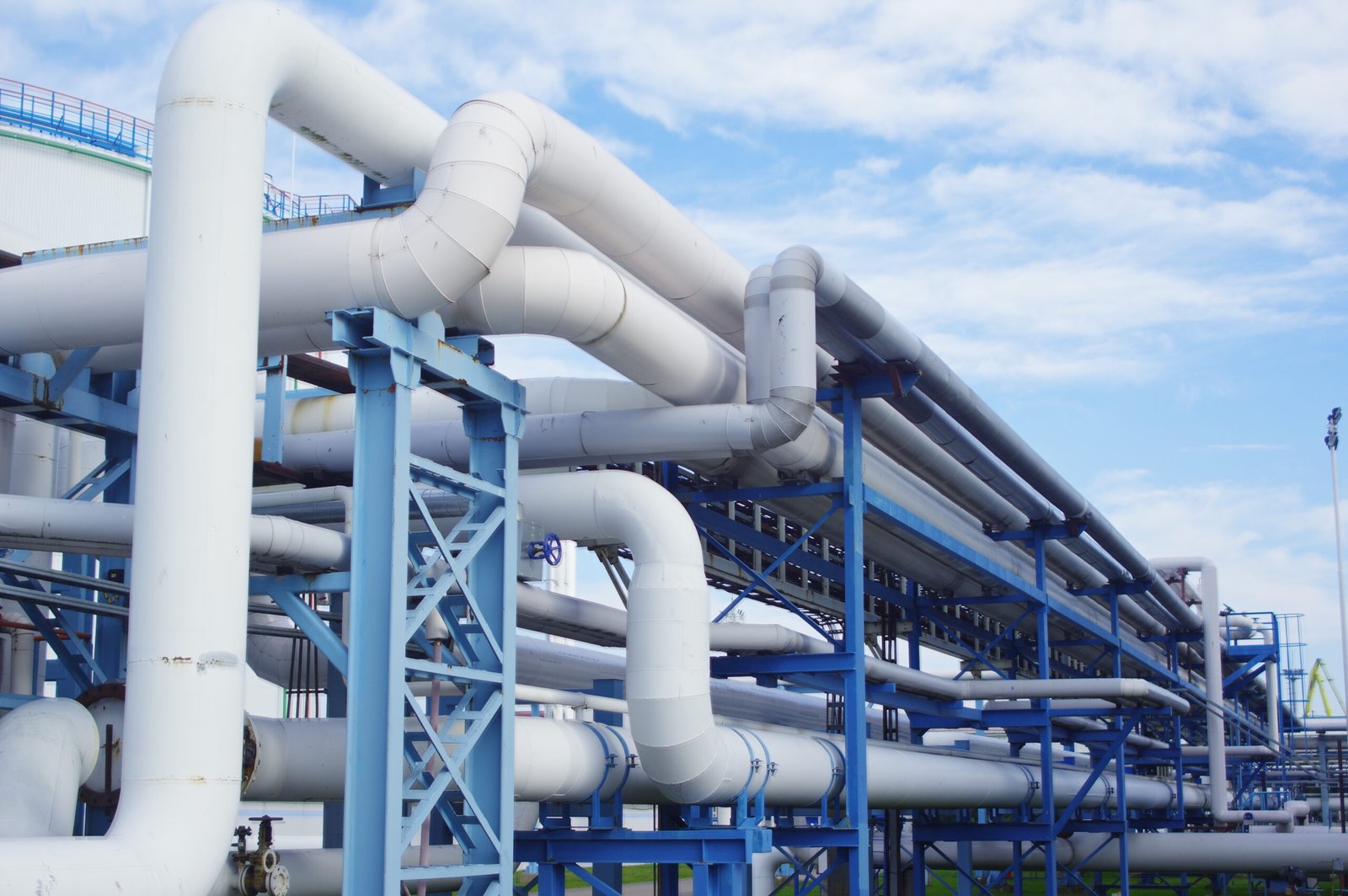
Industrial Water Use
Helping industries optimize their water usage, reduce pollution, and comply with water regulations within river basins.
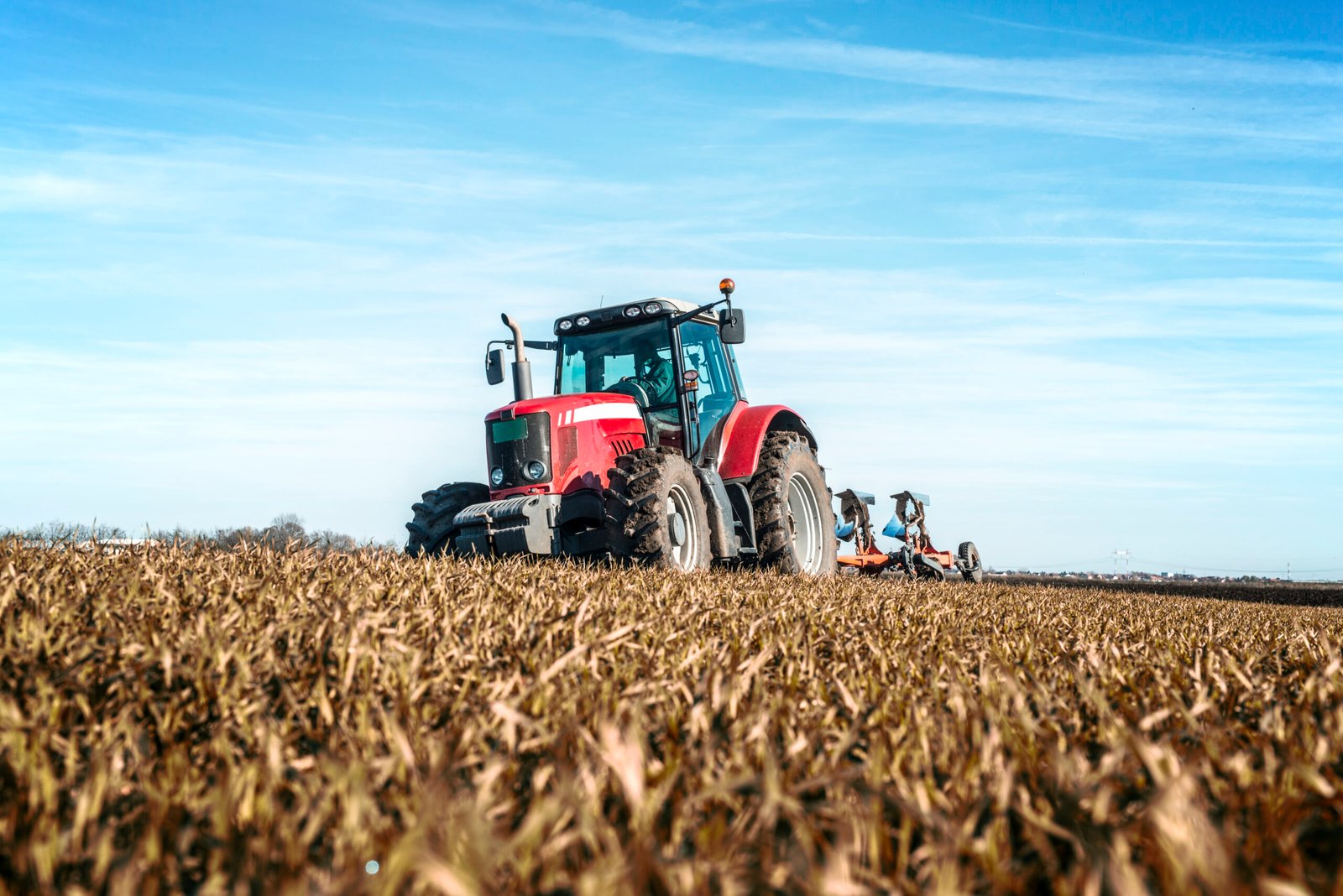
Agricultural Water Management
Supporting farmers and agricultural agencies in implementing sustainable irrigation practices and reducing water consumption in agriculture.
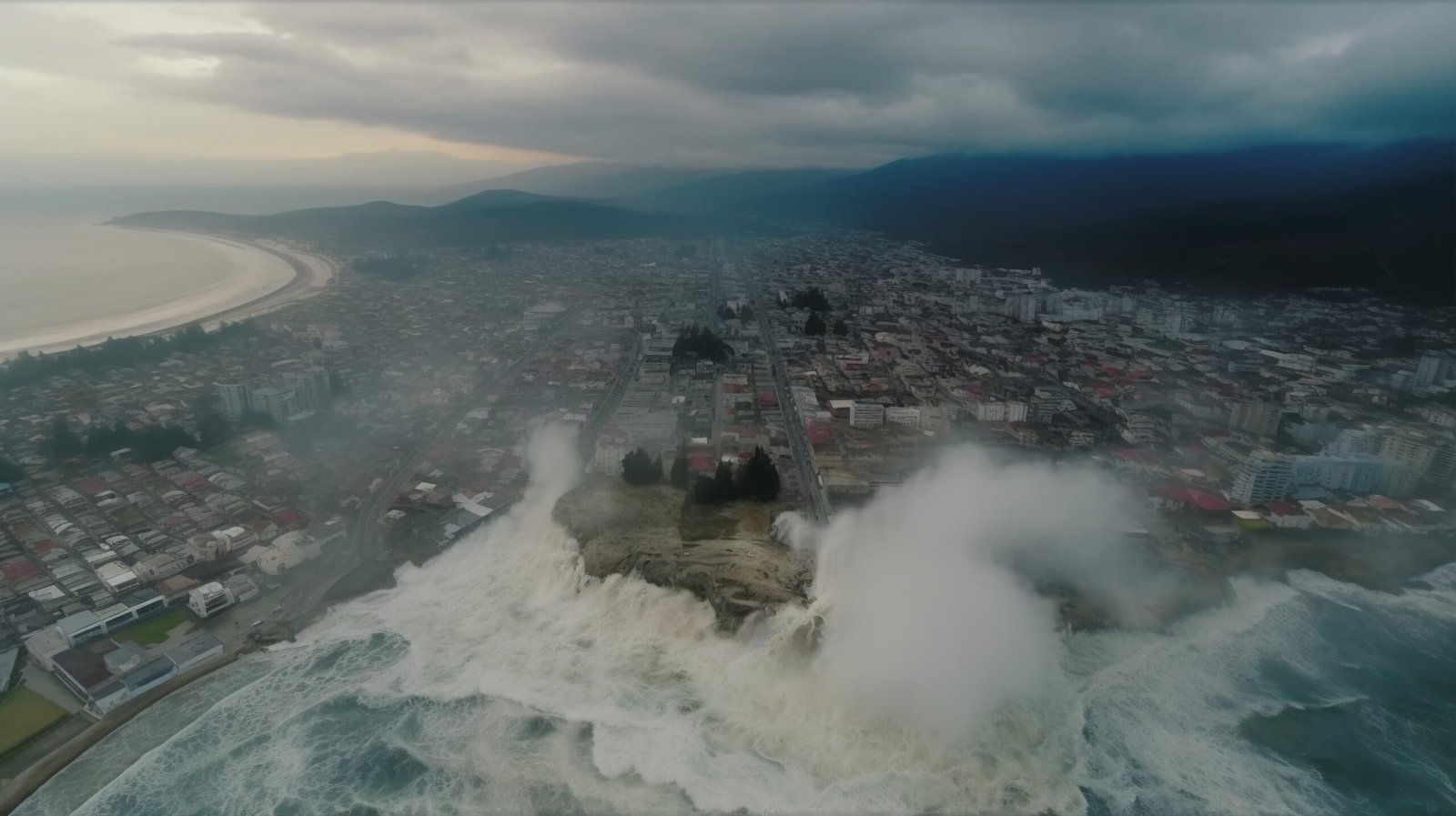
Disaster Risk Management
Providing flood and drought risk assessments and early warning systems to protect communities and infrastructure in river basins.