River Monitoring and Pollution Control Solutions
// Core Elements
Key Components of Our River Pollution Monitoring and Control Services
Real-Time River Water Quality Monitoring
Our IoT-enabled river water quality monitoring systems continuously collect data on various parameters to provide real-time insights into the health of the river.
IoT-Based Water Quality Sensors
We deploy smart water quality sensors at strategic locations along the river to measure key pollution indicators such as pH, dissolved oxygen, turbidity, conductivity, temperature, and chemical pollutants like nitrates, phosphates, and heavy metals.
Continuous Data Collection and Analysis
Using IoT devices, we continuously collect data on water quality, which is transmitted to cloud-based systems for real-time analysis. AI algorithms help detect pollution spikes or anomalies and generate early warnings.
GIS and Data Visualization
We integrate IoT data with Geographic Information Systems (GIS) to create interactive water quality maps, allowing authorities to visualize pollution hotspots and take targeted action.
AI-Powered Pollution Source Identification
AI-Based Data Analytics
By processing historical and real-time water quality data, our AI systems detect patterns and trace pollutants back to their potential sources, such as industrial discharge, agricultural runoff, or untreated sewage.
Pollution Risk Mapping
We generate pollution risk maps that highlight areas at risk of contamination due to human activities, industrial zones, or land use changes. This helps prioritize pollution control measures in high-risk areas.
Predictive Models
Our AI models predict how pollutants travel through the river system under different flow conditions, providing insights into downstream contamination risks.
River Pollution Control Strategy Development
Industrial and Agricultural Waste Management
We work with industries and agricultural entities to reduce the discharge of harmful pollutants into rivers by suggesting eco-friendly waste management practices, wastewater treatment technologies, and compliance with environmental standards.
Non-Point Source Pollution Control
For non-point sources like agricultural runoff, we recommend best management practices (BMPs) such as buffer zones, vegetation filters, and sustainable agricultural practices that minimize the use of harmful chemicals.
Municipal Sewage Treatment Improvements
We advise municipalities on upgrading and optimizing sewage treatment plants (STPs) to ensure that wastewater is treated effectively before being discharged into rivers. This includes improving STP capacities, adopting advanced treatment technologies, and ensuring compliance with effluent quality standards.
River Clean-Up and Restoration Programs
Pollutant Removal Techniques
We design river clean-up campaigns that involve mechanical and biological pollutant removal techniques, such as dredging for sediment pollution, biological remediation for organic pollutants, and chemical treatments for toxic substances.
Bioremediation and Phytoremediation
For natural pollutant removal, we recommend bioremediation techniques using microbes to break down harmful substances and phytoremediation using plants to absorb and filter out contaminants.
Riverbank Restoration
We implement riverbank restoration projects that involve planting vegetation along riverbanks to prevent erosion, filter pollutants, and create habitat for aquatic life.
Pollution Forecasting and Early Warning Systems
AI-Powered Predictive Analytics
By analyzing environmental conditions, human activities, and past pollution events, our AI systems predict potential future pollution scenarios. This allows authorities to implement preventive measures, such as pollution control regulations, before an actual pollution spike occurs.
Early Warning Systems (EWS)
Our IoT-enabled systems can trigger early warnings when pollution levels exceed safe limits. These warnings are sent to authorities, industries, and communities, enabling timely interventions to prevent further contamination.
Automatic Alerts
Our system sends automatic alerts to concerned authorities through emails, mobile apps, or SMS when water quality parameters exceed threshold levels, allowing immediate response to pollution events.
Public Awareness and Stakeholder Engagement
Community Engagement Campaigns
We develop awareness campaigns to educate local communities about river pollution sources and its impact on health and the environment. This helps promote behavior changes that reduce pollution, such as avoiding the disposal of waste in rivers or minimizing chemical use in agriculture.
Industrial Stakeholder Collaboration
We collaborate with industrial stakeholders to ensure compliance with pollution control regulations and encourage the adoption of best practices to reduce pollutant discharge into rivers.
Citizen Science Initiatives
We help set up citizen science programs where local communities are trained to monitor water quality and report pollution incidents, promoting greater accountability and engagement in river management.
Compliance Monitoring and Reporting
Compliance Monitoring Tools
We provide real-time compliance monitoring tools to industries and municipalities, helping them stay within permissible discharge limits and avoid environmental fines.
Automated Reporting
Our system automates the generation of water quality reports for regulatory submissions, ensuring that all data is accurate, up-to-date, and compliant with environmental standards.
Auditing and Assessments
We conduct environmental audits to assess compliance with pollution control regulations and recommend improvements to help organizations meet their environmental goals.
Integrated River Basin Management (IRBM
Holistic Approach
Our IRBM approach considers the entire river basin, addressing pollution from various sectors, including industrial, agricultural, and urban sources, while balancing water resource needs for human use and ecosystem health.
Cross-Sector Collaboration
We work with governments, industries, and environmental organizations to create integrated strategies that align with national and international water quality goals, such as the Sustainable Development Goals (SDGs).
Long-Term Sustainability
We focus on long-term sustainability by promoting policies and regulations that ensure ongoing monitoring, pollution prevention, and the restoration of healthy river ecosystems.
Safeguarding Our Rivers
Harnessing advanced monitoring systems and analytics, we provide real-time solutions to track river health and mitigate pollution. Together, we ensure cleaner waterways for a sustainable future.
// Why Choose Us
Why Choose Our River Pollution Monitoring and Control Services?

Technology-Driven Solutions

Holistic Approach

Expertise in Environmental Science and Technology

Proactive and Predictive Approach

Sustainable and Community-Focused
// Our Applications
Applications of Our River Pollution Monitoring and Control Services
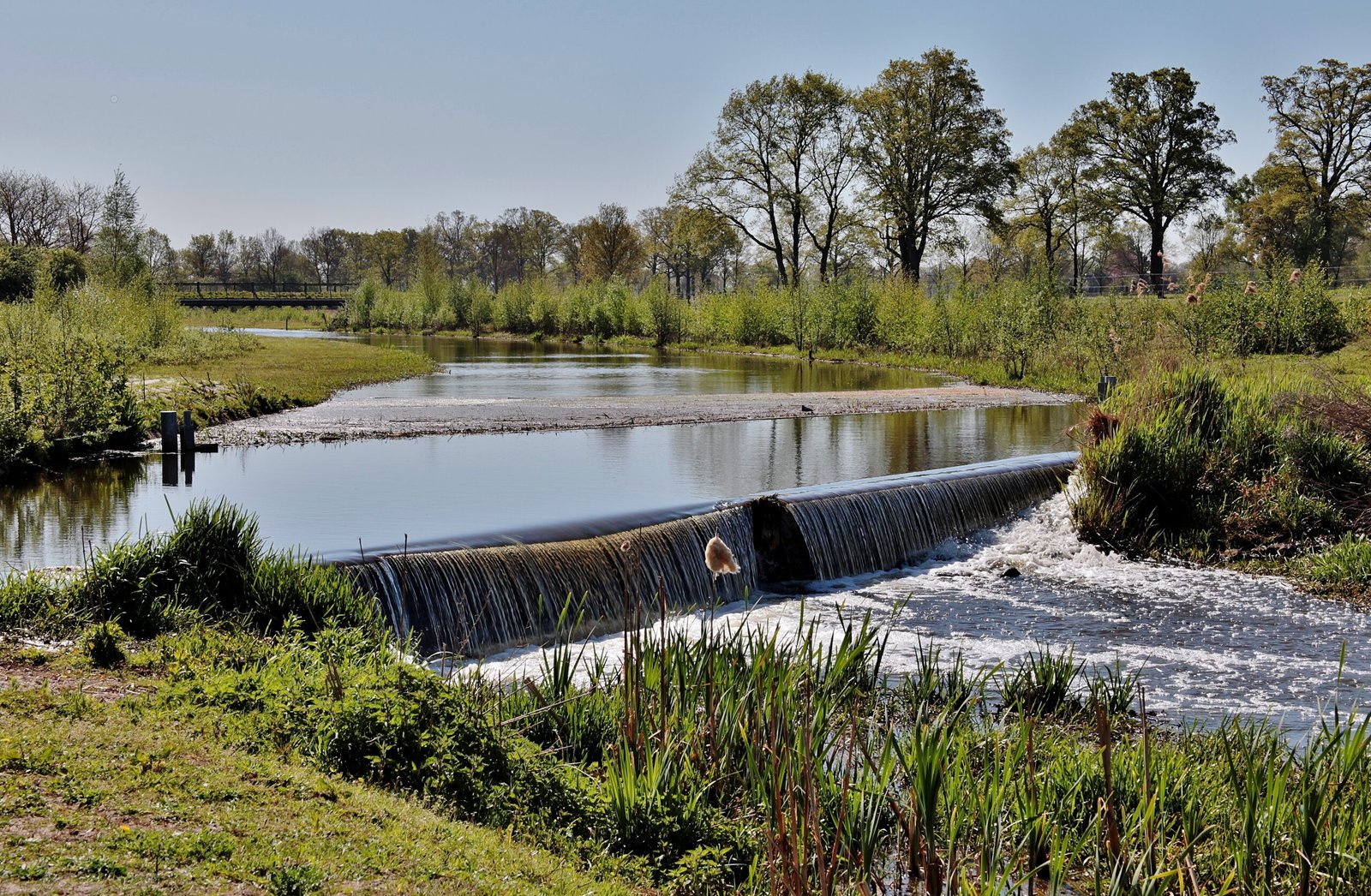
Municipal Water Resource Management
Assisting local governments in monitoring water quality and managing pollution in urban rivers and streams.
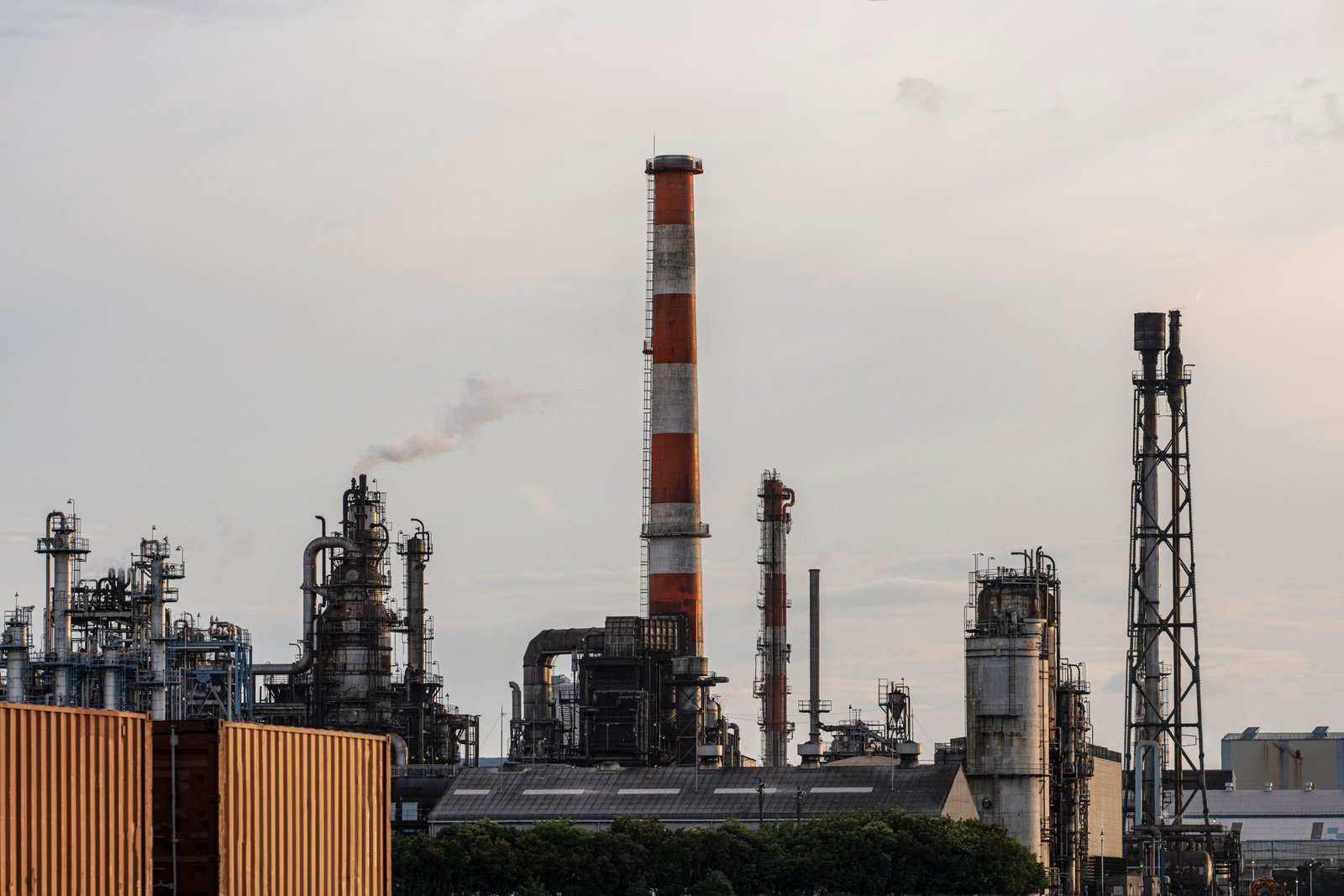
Industrial Compliance
Helping industries reduce pollutant discharge into rivers and comply with environmental regulations, ensuring sustainable operations.
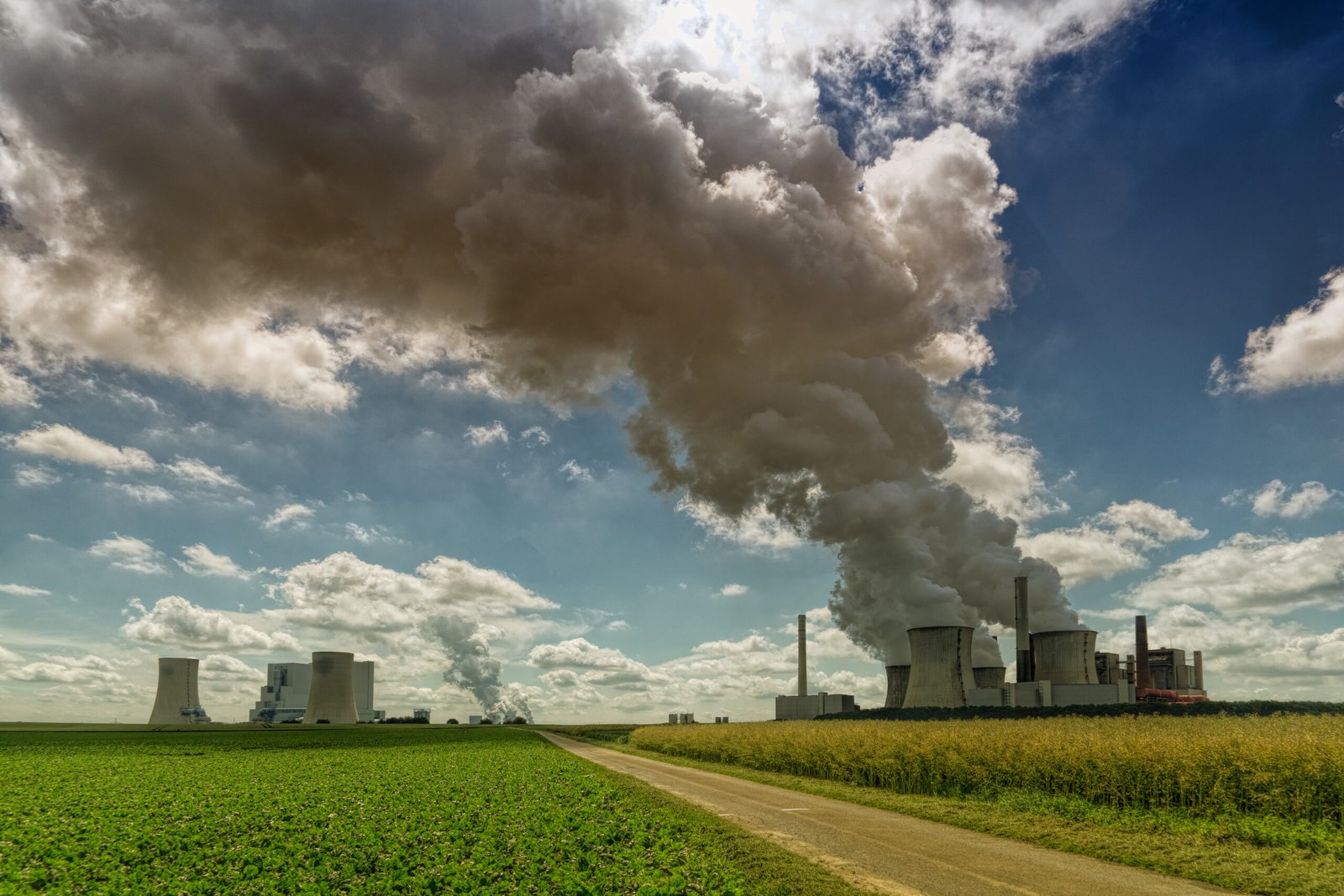
Agricultural Pollution Prevention
Supporting the agricultural sector in minimizing runoff pollution through sustainable farming practices and pollution control measures.
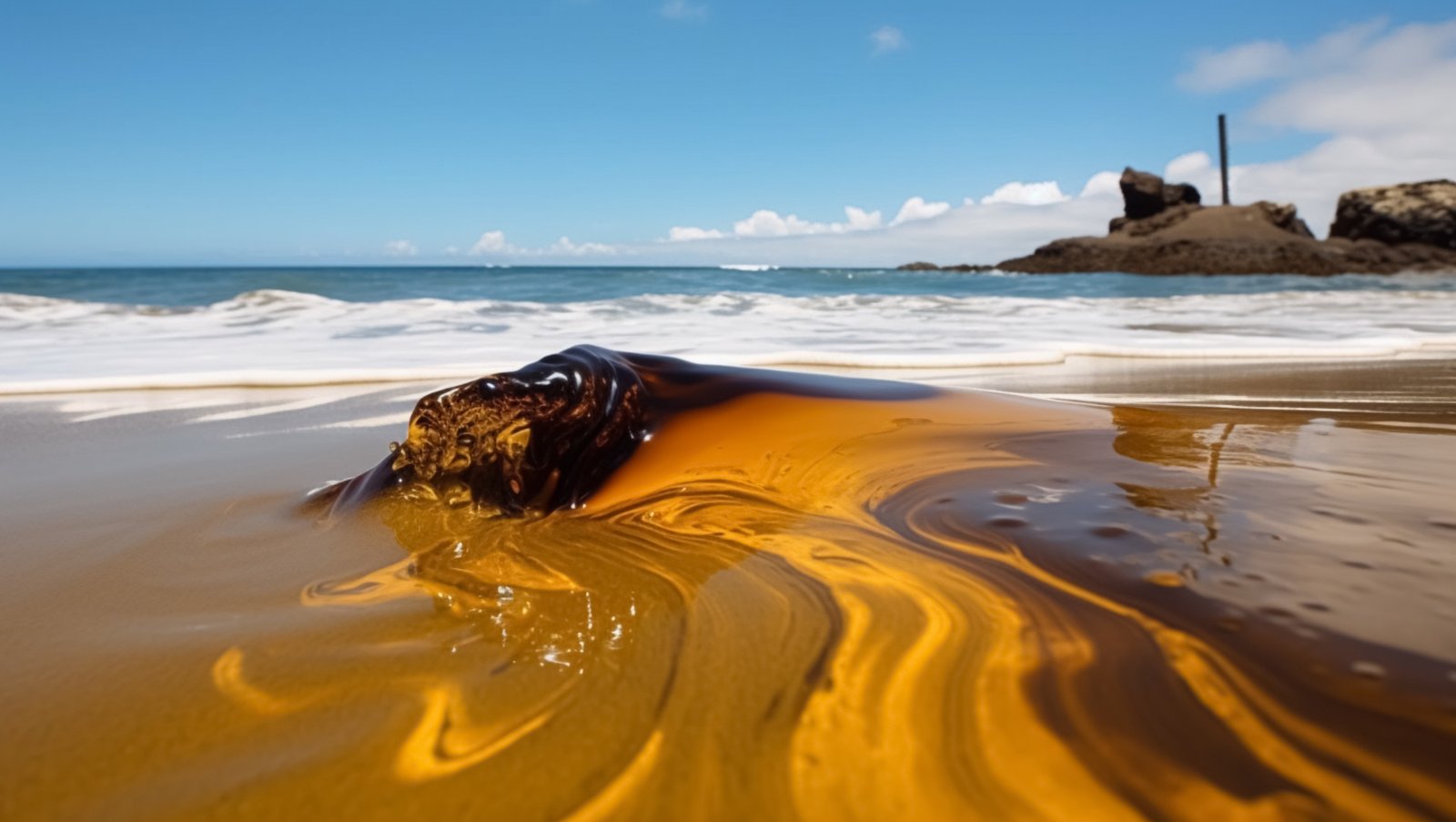
Coastal and Marine Conservation
Providing pollution control services for rivers that discharge into coastal and marine ecosystems, protecting sensitive habitats from land-based pollution.