Urban Storm Water Management Services
// Core Elements
Key Components of Our Urban Storm Water Management Services
Urban Flood Risk Assessment
We begin by conducting comprehensive flood risk assessments to identify areas most vulnerable to urban flooding and stormwater runoff.
Hydrological and Hydraulic Modeling
Using advanced software and AI-powered models, we simulate stormwater flows in urban areas to determine flood-prone zones. This allows us to predict how urban infrastructure will respond to various rainfall events.
Topography and Drainage Network Analysis
We analyze urban topography and drainage networks to pinpoint vulnerabilities in the city’s stormwater system and areas with potential waterlogging or drainage issues.
Historical Flood Data Analysis
We review past flood data and rainfall patterns to understand recurring flood risks and provide insights for developing effective mitigation strategies.
Smart Rain Gauges and Water Level Sensors
We install IoT-enabled rain gauges and water level sensors to track precipitation levels, river flows, and drainage capacities in real time. These sensors help predict potential flooding and alert authorities before it occurs.
Real-Time Data Transmission and Alerts
Data from IoT sensors is transmitted to cloud-based platforms, where it is analyzed using AI to provide actionable insights. Authorities receive real-time alerts and early warnings of impending floods or stormwater overflow.
GIS Integration
We integrate IoT data with Geographic Information Systems (GIS) to create dynamic stormwater management maps, enabling real-time visualization of flood-prone areas and stormwater system performance.
Predictive Flood Modeling
Rainfall-Runoff Models
We simulate how rainfall events will convert into surface runoff, allowing cities to better understand how stormwater will travel through their drainage systems and identify choke points.
Risk Scenario Analysis
We create different stormwater flooding scenarios (e.g., heavy rainfall, prolonged downpour, etc.) to understand how the urban infrastructure would respond and propose preventive measures.
Green Infrastructure Solutions
Detention and Retention Basins
We design detention and retention basins to temporarily hold stormwater during peak rainfall periods, reducing the pressure on stormwater drainage systems and preventing downstream flooding.
Low-Impact Development (LID)
We encourage low-impact urban development practices that minimize disruption to natural hydrological processes. This includes designing with permeable surfaces, restoring wetlands, and incorporating natural stormwater filtering systems.
Drainage System Assessment
We assess existing drainage systems to identify issues such as blockages, undersized pipes, or structural damage that compromise stormwater flow.
Pipeline and Culvert Upgrades
We design and install larger or reinforced pipelines and culverts to handle increased stormwater volumes caused by urbanization or extreme weather events.
Storm Sewer Network Optimization
Our services optimize storm sewer networks by improving hydraulic efficiency, ensuring better connectivity between storm drains, and preventing system overloads.
Flood Storage Areas
We design and implement flood storage areas within urban zones, such as parks or basements, that can be used to temporarily hold floodwater during extreme weather events, thus reducing flood risk downstream.
Resilient Urban Design
Our team incorporates flood-resistant infrastructure and adaptive design elements into city layouts, ensuring that buildings, roads, and other critical assets can withstand and recover from stormwater flooding.
Integrated Flood Management Plans
We develop holistic flood management plans that align with municipal, regional, and national regulations and strategies. These plans include short-term emergency response protocols and long-term urban flood risk reduction strategies.
Stormwater Management Guidelines
Stormwater Utility Fee Programs
We help cities implement stormwater utility fee programs that charge property owners based on their contribution to stormwater runoff. This encourages the adoption of green infrastructure and reduces the burden on public drainage systems.
Floodplain Zoning and Land Use Planning
We assist governments in implementing zoning laws and land use planning that limits development in high-risk flood zones and promotes smart growth in safer areas.
Training for Municipal Staff
We provide training programs for local governments, engineers, and urban planners on advanced stormwater management techniques, use of predictive models, and emergency flood response.
Community Awareness Programs
We work with local governments to design public awareness campaigns that educate residents and businesses on how to reduce stormwater runoff and improve their property’s resilience to flooding.
Collaborative Workshops and Stakeholder Engagement
We organize workshops that bring together multiple stakeholders—planners, engineers, environmental experts, and community representatives—to collaboratively develop and implement stormwater management plans.
Smart Stormwater Solutions
Innovating urban stormwater management with sustainable designs and advanced technologies. We create resilient cities equipped to handle every downpour.
// Why Choose Us
Why Choose Our Urban Storm Water Management Services?

Innovative Technology Integration



Data-Driven Decision Making

// Our Applications
Applications of Our Urban Storm Water Management Services

Smart City Projects
Helping cities design smart stormwater systems integrated with IoT and AI for better flood management and real-time monitoring.
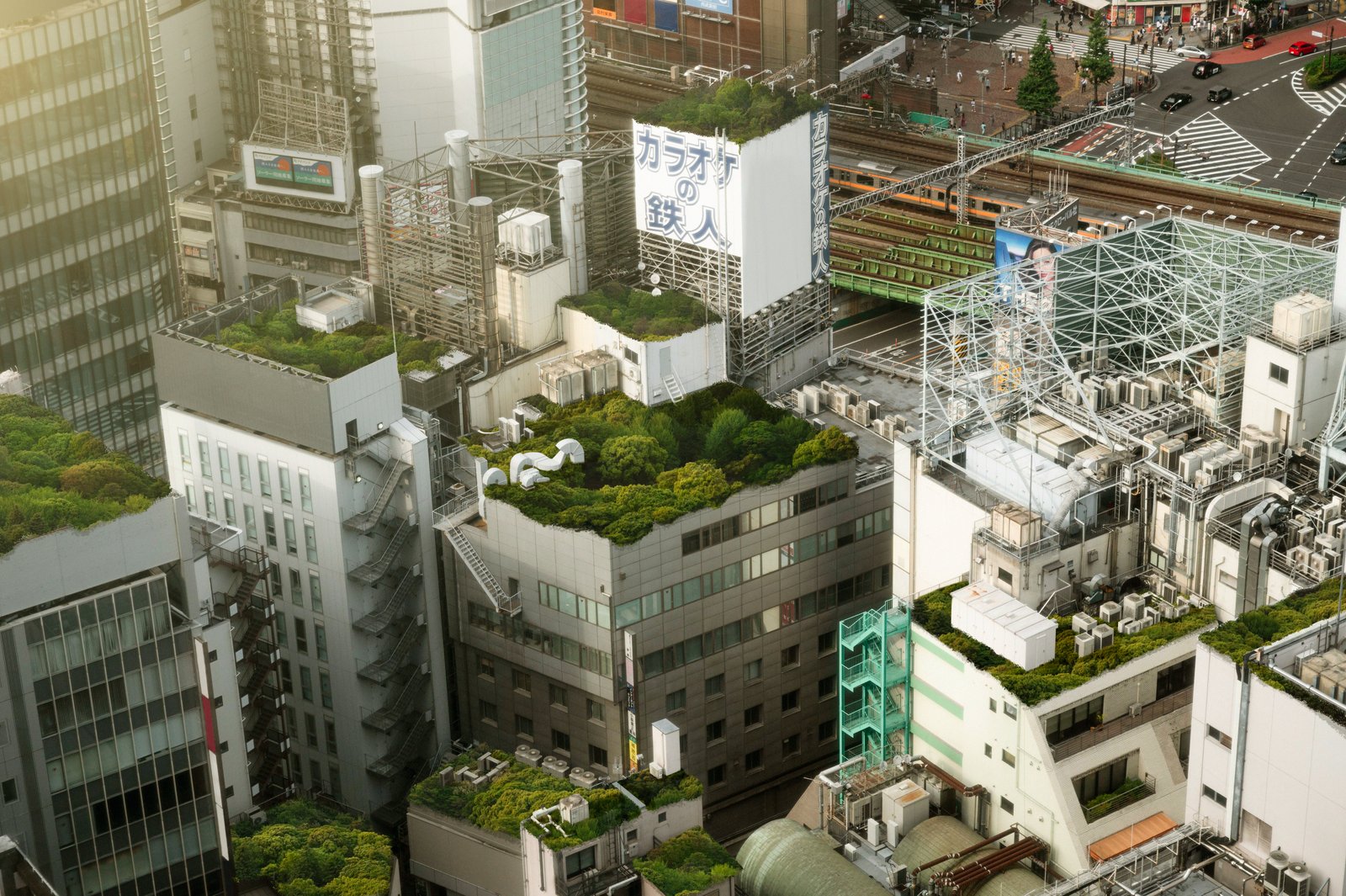
Urban Resilience Planning
Assisting municipalities in developing urban resilience strategies that reduce flood risks and enhance sustainability.
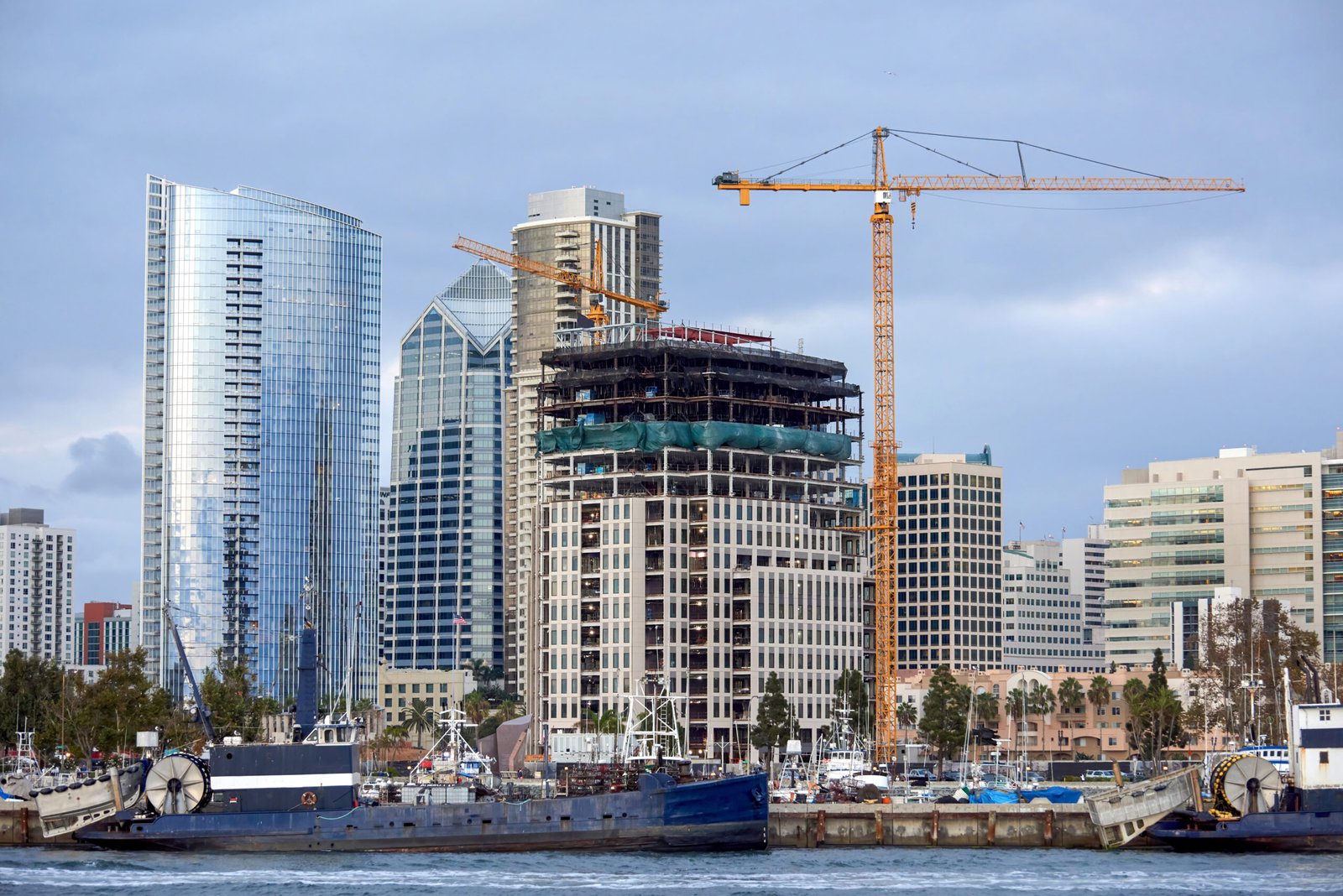
Commercial and Residential Developments
Supporting developers in incorporating sustainable stormwater solutions in residential, commercial, and industrial projects.